

 1300 946 025

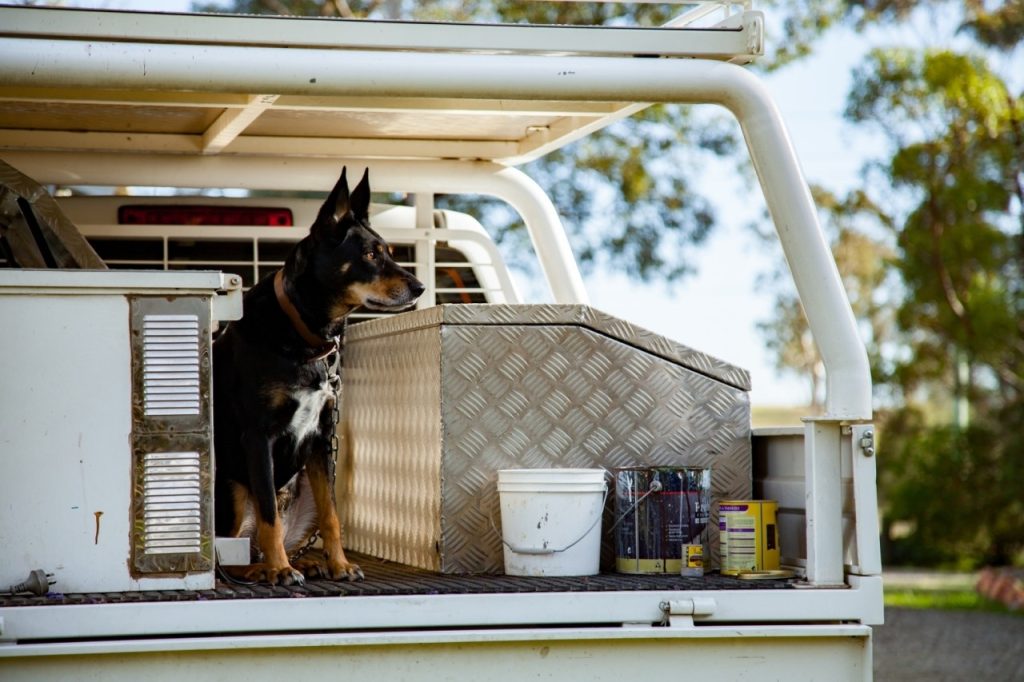
A work vehicle should be set up around what you carry, tow and use every day. For some tradies, that means secure tool storage and ladder racks. For others, towing equipment, roof racks or better rear visibility can make a bigger difference. Choosing the accessories before the vehicle goes to work can also save the
16
Nov
Your work ute might have a 1,000kg payload capacity, but that doesn’t mean you can load a tonne of tools and materials into the tray. Once you factor in passengers, toolboxes, ladder racks and other accessories, your available payload can shrink quickly. Understanding your ute’s weight limits is important for staying safe, avoiding overloading and
15
Oct
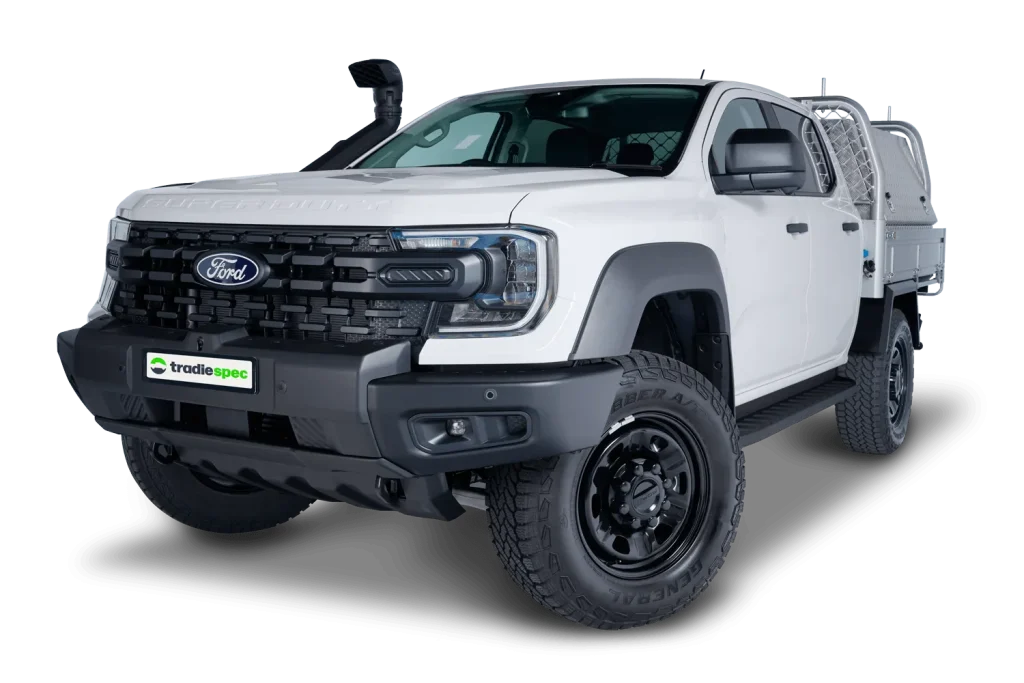
For everyday tools, materials and occasional towing, a standard work ute can be more than enough. But once heavier loads, bigger trailers and demanding site conditions become part of the weekly routine, a conventional ute can start to feel limiting. That is where a heavy-duty ute such as the 2026 Ford Ranger Super Duty comes

13
Oct
There are several ways to get a ute, van or tipper on the road without paying the full purchase price upfront. The challenge is working out what each option actually means for your business. Who owns the vehicle? What costs are included? How long are you committed? Can you own it at the end? Those
08
Oct
Australia is in the middle of a massive structural realignment in its workforce. While white-collar corporate sectors face hiring slowdowns, technological disruption, and restructuring, skilled trades hold historic pricing power. Driven by the federal government’s 1.2 million-home National Housing Accord, regional Renewable Energy Zones (REZ), and major transport infrastructure corridors, commercial demand for certain trade

24
Sep
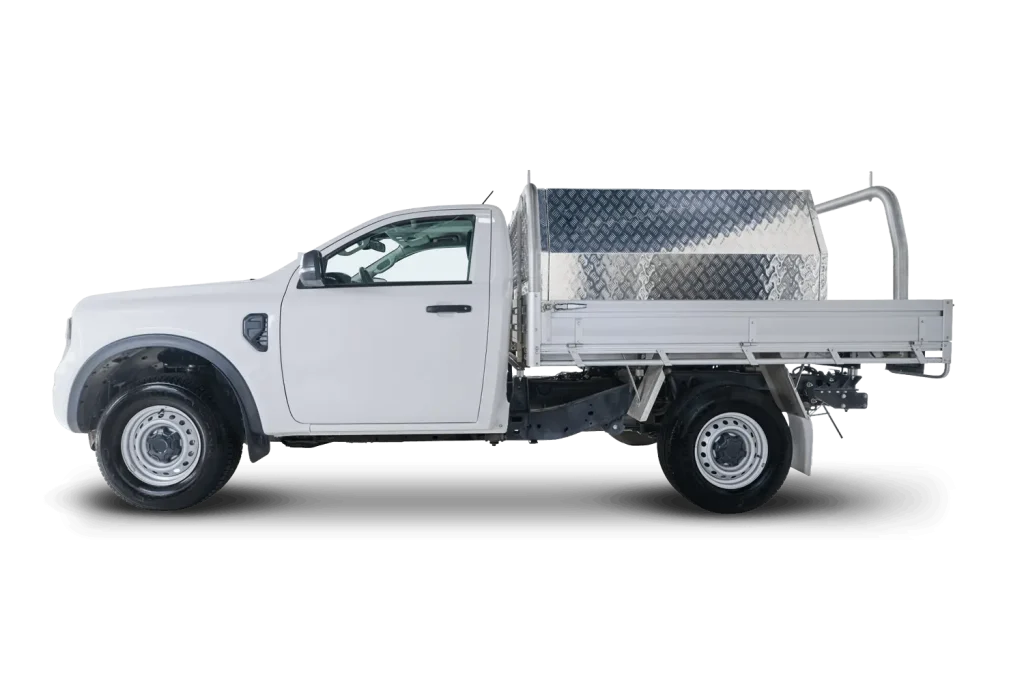
Key Points Before hiring a work ute, check what you need to carry or tow, cab and tray setup, whether you need 4×4, included accessories, rental inclusions, hire length and vehicle availability. Tradiespec supplies work-ready utes to Australian trade businesses, helping customers match vehicles and fit-outs to the work they actually need to do. 1.
22
Sep
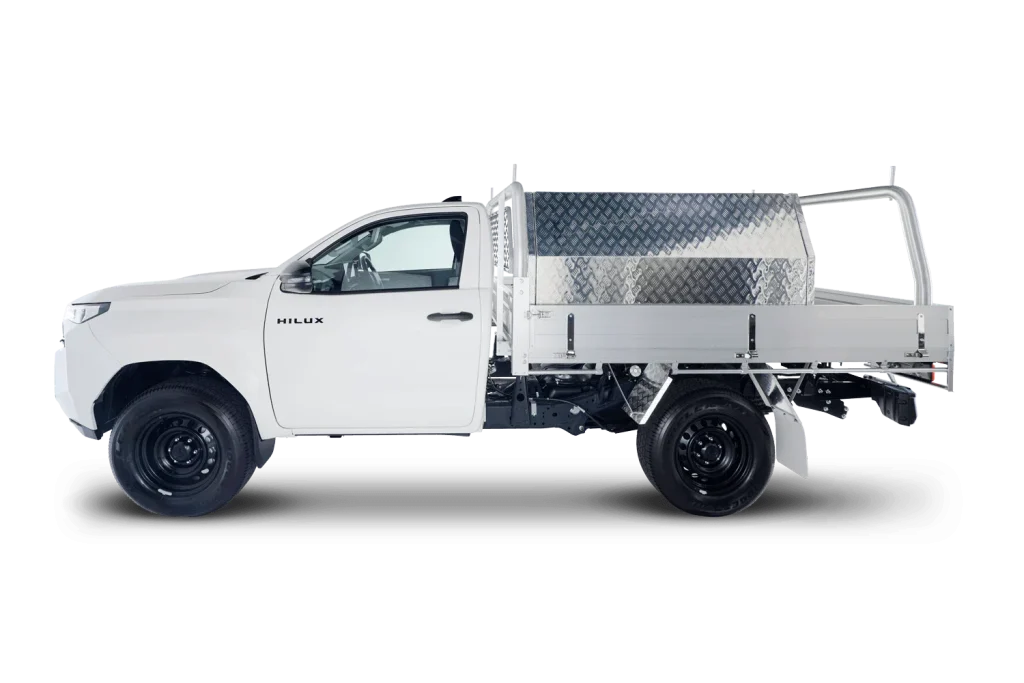
TL;DR: What Should You Look for in a Ute Toolbox? Choose a toolbox based on the tools you carry, how often you need to access them, the space available on your ute and the weight you can safely add. Check the toolbox type, dimensions, material, locks, weather sealing and mounting before making a decision. Tradiespec
17
Sep
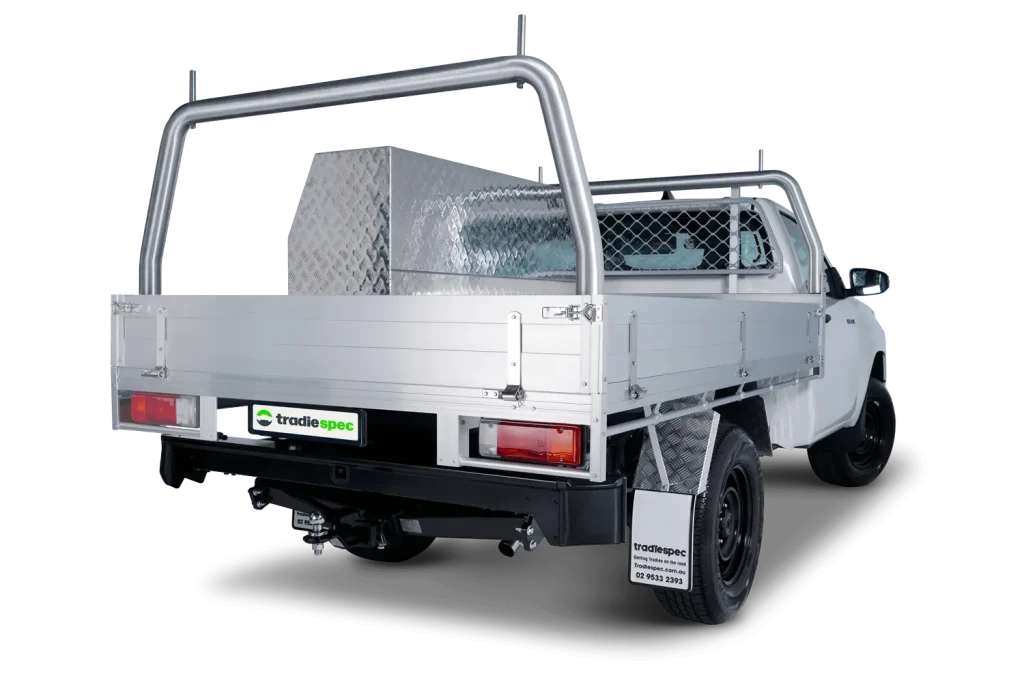
Key Takeaways Choose a 4×2 if most of your work is on sealed roads and established sites. Consider a 4×4 if mud, loose surfaces, rural properties or difficult site access are a regular part of the job. Payload and towing capacity vary between models and variants, so check the actual vehicle specifications before deciding. Tradiespec
15
Sep
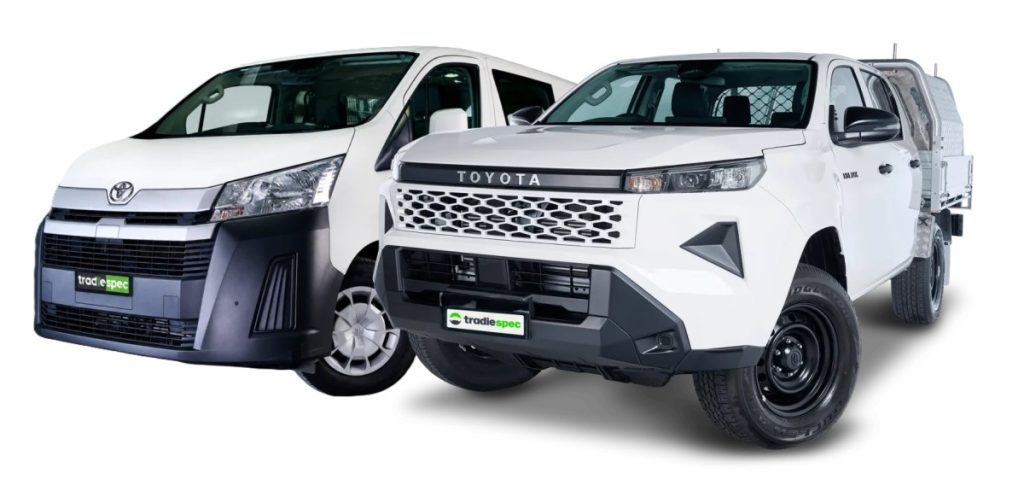
Key Points There isn’t one winner for every Aussie tradie. A plumber carrying tools and pipe has very different requirements from a brickie loading masonry or a landscaper moving heavy equipment. Aluminium ute trays are generally better if you want to keep vehicle weight down, preserve payload and reduce corrosion concerns. Steel trays make more
01
Sep
Choosing the right commercial vehicle for a plumbing business in Australia comes down to one core decision: an enclosed commercial van or a 4×4 dual-cab ute. While both are workhorses on Aussie job sites, they serve completely different plumbing specialities. Picking the wrong setup risks stolen tools, damaged gear, or a vehicle that can’t handle
