

 1300 946 025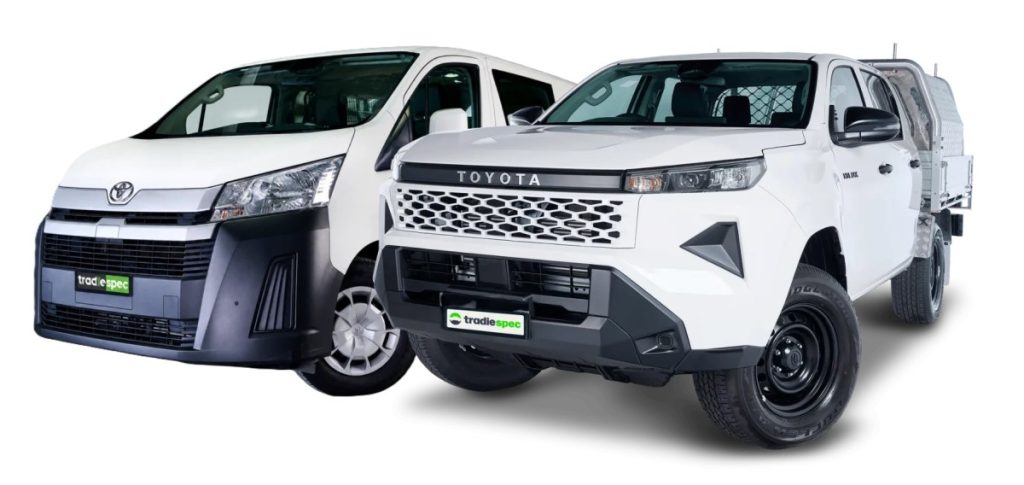
Choosing the right commercial vehicle for a plumbing business in Australia comes down to one core decision: an enclosed commercial van or a 4×4 dual-cab ute.
While both are workhorses on Aussie job sites, they serve completely different plumbing specialities. Picking the wrong setup risks stolen tools, damaged gear, or a vehicle that can’t handle the site.
At-a-Glance Comparison Guide
| Feature | 4×4 Dual Cab Ute (with Canopy/Racks) | Enclosed Commercial Van |
| Best Suited For | Civil, drainage, new builds, & team crews | Maintenance, gasfitting, & commercial fit-outs |
| Tool Security | Medium-High (Requires lockable canopy) | Maximum (All tools locked inside steel body) |
| Towing Capacity | Up to 3.5 Tonnes (Jetters & excavators) | Moderate (Usually capped at 1.5t–2.5t) |
| Off-Road / Site Access | High (4×4 low-range for mud & rough terrain) | City focus (2WD, lower ground clearance) |
| Cargo Loading | Higher tray lift height | Low floor height (Easier for hot water systems) |
| Cabin Environment | Dirty/smelly gear completely isolated | Gear shares cabin space unless partitioned |
| Underground Access | Can be limited with tall ladder racks | Easy (Fits standard multi-story car parks) |
Swipe across to view the full table.
Detailed Comparison: Van vs. Dual Cab Ute
1. Tool Security & Weather Protection
Plumbers carry thousands of dollars in high-end press tools, drain cameras, gas detectors, and brass fittings.
- Commercial Vans (Winner): A van provides a fully enclosed, lockable steel environment out of sight from thieves. Outfitting a van with internal shelving and racking keeps power tools, brass valves, and copper fittings organised and 100% weatherproof.
- Dual Cab Utes: An open factory tray leaves expensive equipment exposed to rain, road dust, and theft. To make a dual cab ute job-ready for plumbing, you must fit a heavy-duty, lockable aluminium service canopy with internal drawers or side gull-wing doors.
2. Long Pipe & Heavy Equipment Capacity
Transporting 6-metre PVC pipes, copper coils, and hot water units requires a smart cargo setup.
- Commercial Vans: Vans like the Toyota HiAce have lower floor heights, making it much easier to slide heavy 250L hot water systems in and out without straining your back. Long PVC conduit can be carried internally using pass-through hatches or mounted on roof platform racks.
- Dual Cab Utes: While a dual-cab tub is shorter than a van floor, adding heavy-duty trade ladder racks, rear tray pins, or a roof conduit carrier allows you to carry 6-metre pipe lengths effortlessly without sacrificing tray space.
3. Crew Transport & Cab Environment
Moving teams and keeping the cabin clean is a major daily factor.
- Dual Cab Utes (Winner): A dual cab gives you a comfortable 5-seater cabin, making it essential if you regularly transport apprentices, subbies, or multi-person crews to commercial sites. Furthermore, dirty drainage cables, mud, and chemical odours stay isolated in the rear tray, keeping the passenger cabin clean.
- Commercial Vans: Most standard commercial vans only seat 2 or 3 people up front. Unless you pay extra for a crew van variant, moving larger teams requires a second vehicle. Odours from wet drainage equipment can also seep into the cab.
4. Site Access & Heavy Towing
Getting onto active construction sites or hauling heavy gear requires muscle.
- Dual Cab Utes (Winner): Built on heavy-duty ladder-frame chassis with 4×4 capabilities, dual-cab utes (like the Hilux, Ranger, or D-Max) excel on muddy, unpaved building sites. They also offer up to 3.5-tonne towing capacity, making them ideal for pulling heavy drain-jetting trailers or mini-excavators.
- Commercial Vans: Most vans are front- or rear-wheel drive. They excel on sealed city roads and underground multi-story car parks (thanks to lower roof profiles), but typically feature lower towing limits (1.5t to 2.5t) and can struggle on unpaved site terrain.
Summary Verdict: Which Should You Choose?
Choose a Commercial Van If:
You focus on domestic maintenance, commercial fit-outs, or gasfitting. You need maximum lockable tool security, an organised mobile workshop with internal shelving, and easy clearance for city driveways or underground car parks.
Choose a Dual Cab Ute If:
You work in civil plumbing, drainage, emergency excavation, or new residential builds. You need to transport a crew of 4–5 workers, tow heavy drain-clearing trailers, navigate muddy building sites, and keep dirty gear out of the cabin.
How to Expand Your Plumbing Fleet Without Bank Loans
Whether your plumbing business requires a 4×4 dual-cab ute or an enclosed commercial van, scaling your fleet doesn’t require taking on rigid bank debt.
Through Tradiespec, trade business owners can access work-ready commercial vehicles across Australia on flexible terms:
- FlexiRent: Short-to-medium term vehicle hire (30, 90, or 365 days) with servicing, registration, and insurance bundled into one weekly tax-deductible payment. Perfect for scaling up during major project contracts.
- Rent to Own: A non-bank alternative for long-term fleet growth (60 months) with simple approvals for sole traders and ABN holders.
Explore Tradiespec’s range of work-ready dual cab ute hire options and commercial van rentals with direct job-site delivery nationwide.
Tradiespec Expert

At Tradiespec, our mission is to help tradies across Australia with insights and advice to drive your business forward. Whether it’s tips on vehicle selection, how to manage your fleet or insurance information, we’ve got you covered.
